

I couldn’t recommend Richard highly enough! He was incredibly quick to respond to my initial enquiry and was able to attend my property very promptly. The inspection itself was extremely thorough and in-depth, and Richard went above and beyond to ensure everything was checked thoroughly. His attention to detail, professionalism and communication were exceptional. I wouldn’t hesitate to recommend Richard to anyone needing an inspection!
Read on Google
I couldn't be happier with the service provided. From the initial inspection through to the completion of the job, everything was handled professionally and thoroughly. The clear communication, and genuine care shown throughout the process were outstanding. The work was completed on time, and all findings and recommendations were explained in a way that was easy to understand. Richard has been great to deal with, he takes pride in his work and delivers exactly what he promises. I highly recommend their services to anyone looking for a reliable, knowledgeable, and professional operator. Thanks again.
Read on Google
Richard was fantastic. We had another inspector complete a report and give us the all-clear, only to discover severe termite damage halfway through our renovation.Richard came out and carried out an incredibly thorough inspection, identifying issues that had been missed previously and should have been picked up. His knowledge, attention to detail, and professionalism were outstanding.I couldn’t recommend Richard highly enough, especially for anyone needing a pre-purchase or pre-building inspection. We only wish we had found him sooner!
Read on Google
Richard has been conducting our pest control for the past 5 years since we moved into our house. He completed the initial building and pest in 2021 and installed the termite control system which has been operating perfectly. He responds promptly and always comes out last minute when we need help with the pests as we live on acerage they’re rampant. We haven’t gone with anyone else and don’t need to because we are real happy with Richard and his services.
Read on GoogleNo reviews to show yet.
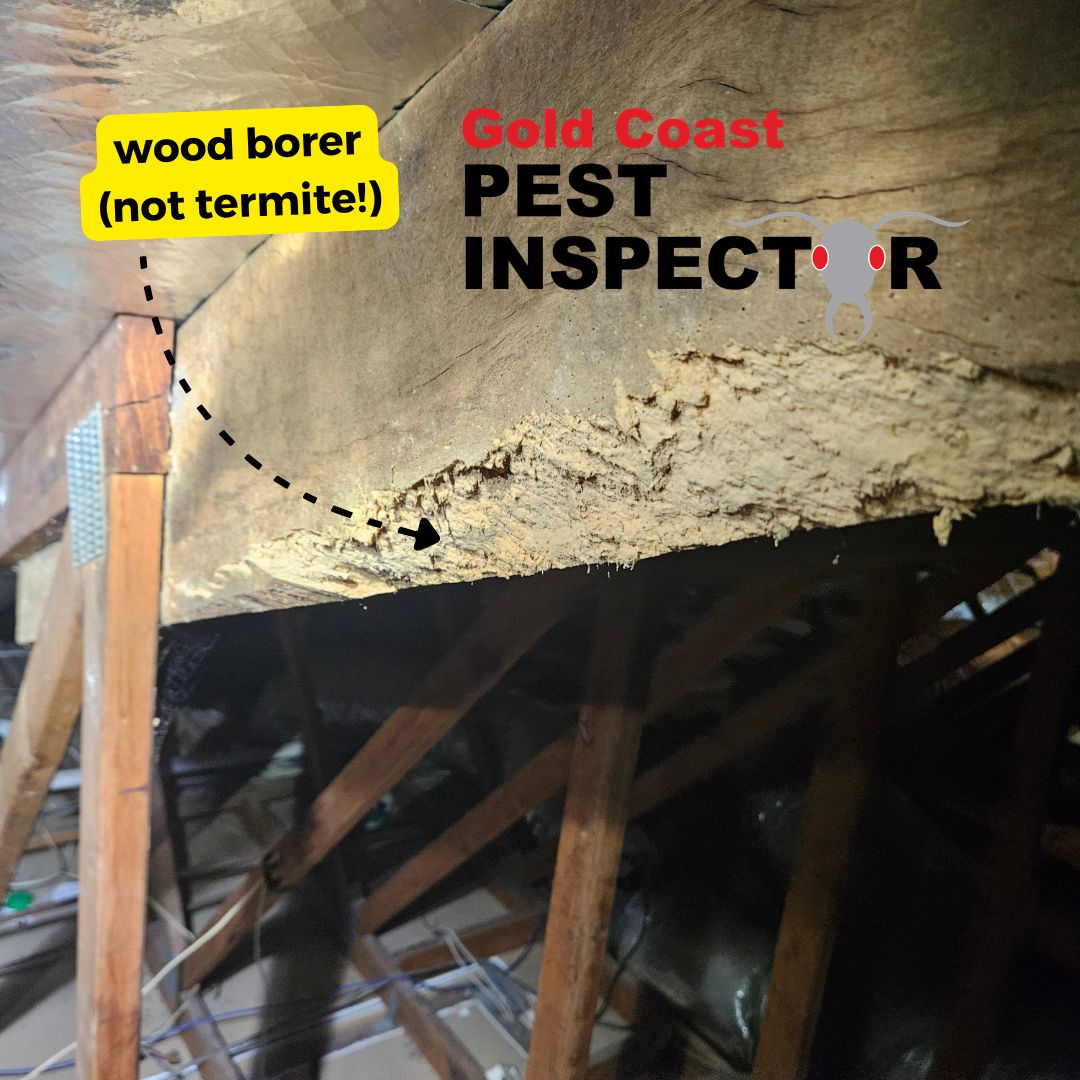
Wood borers are the larval stage of various beetle species that lay their eggs in or on timber. When the eggs hatch, the larvae — the actual “borers” — tunnel through the wood, feeding on it as they go. This tunnelling can continue for months or years before the adult beetle emerges, leaving small, round exit holes in the timber surface. Those holes are often the first visible sign of an infestation.
The most common species found in Queensland homes include:
The tricky thing about wood borers is that the damage happens inside the timber where you can’t see it. By the time visible signs appear, the infestation may already be well established. Here’s what to look for:
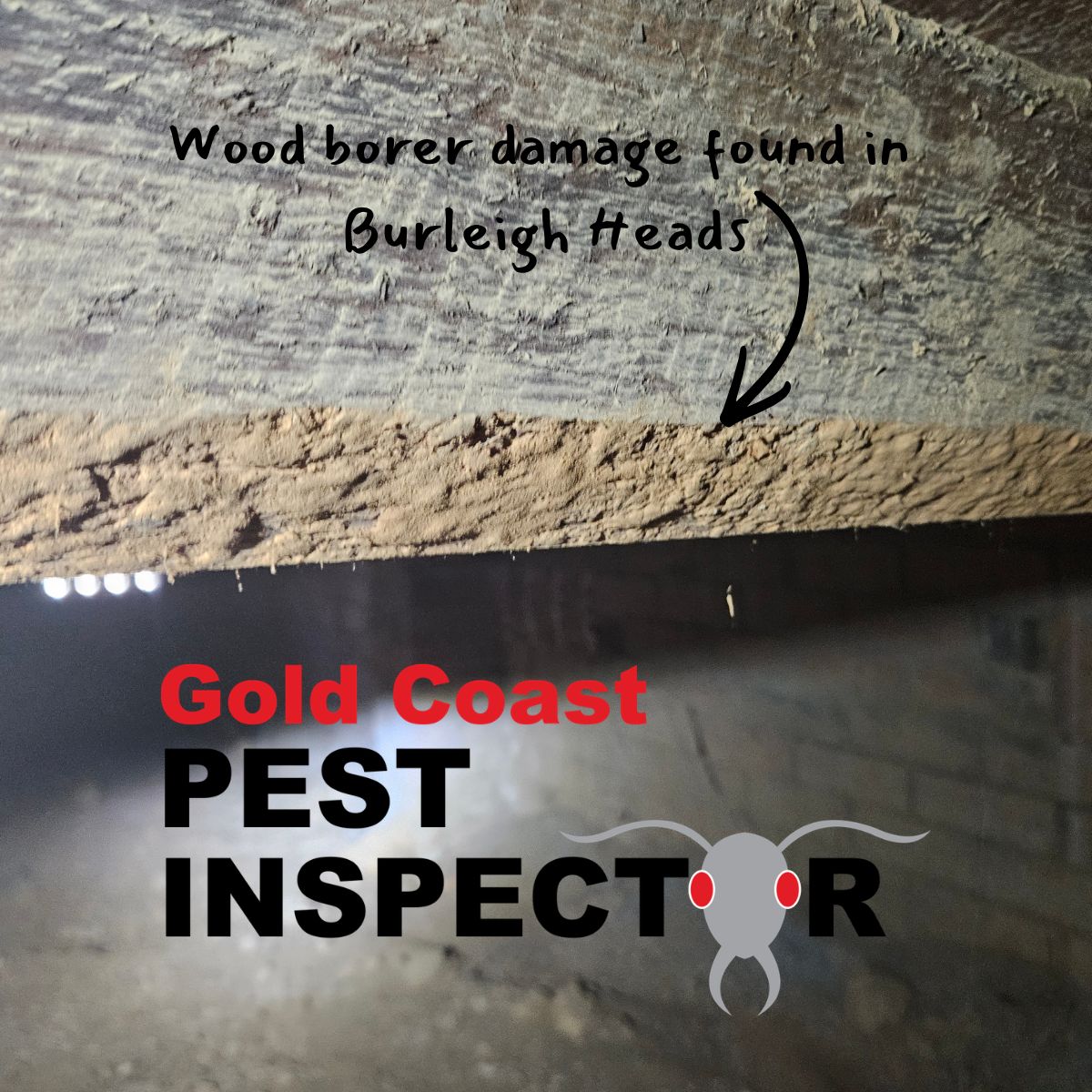
The Gold Coast’s subtropical climate — warm, humid summers and mild winters — creates ideal conditions for wood borers. Timber in subfloors, roof voids, and older hardwood framing is particularly at risk.
Many Gold Coast homes built before the 1980s used untreated hardwoods and softwoods that are highly susceptible to borer attack. In newer homes, treated timber is used, but it’s not immune — especially if moisture has compromised the treatment over time.
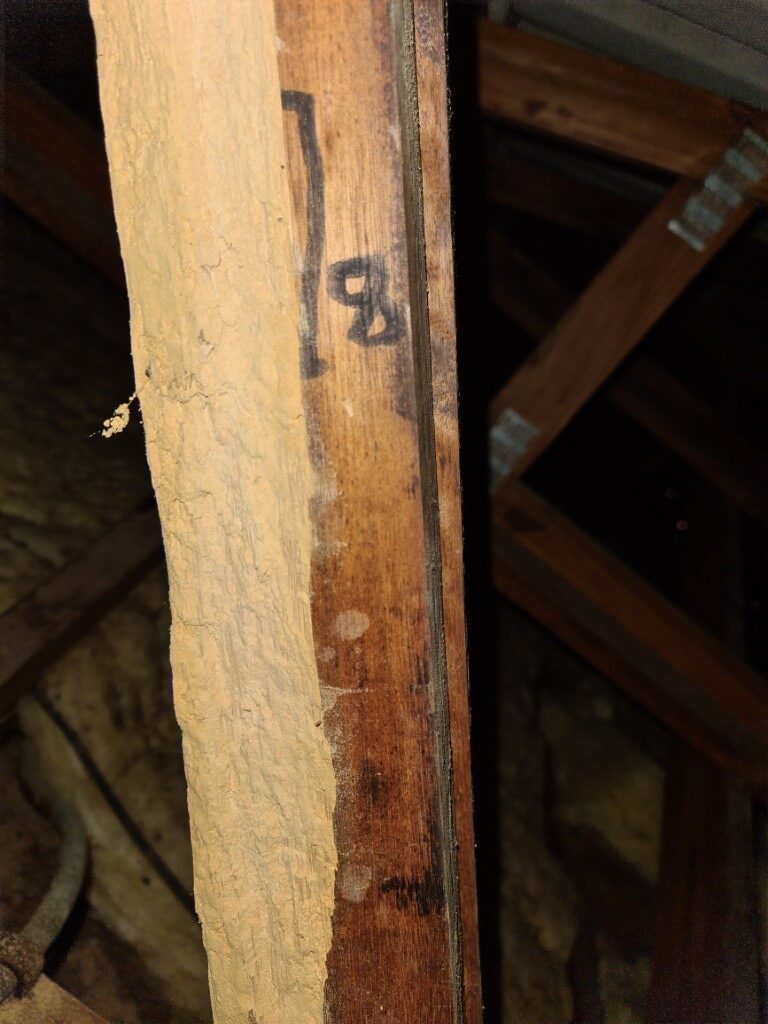
People often confuse wood borers with termites, and the damage can look similar at first glance. Here are the key differences:
| Wood Borers | Termites | |
|---|---|---|
| Visible signs | Round exit holes, fine dust/frass | Mud tunnels, hollow timber |
| Speed of damage | Slower — can take years | Fast — can devastate in months |
| Timber preference | Dead, dry timber (sapwood) | Live timber and cellulose |
| Active signs | Rarely seen until adult emerges | Mud tubes, live insects visible |
Both are serious. Both require a qualified pest inspector to properly assess.
Earlier this year a buyer in Robina hired me to do a second opinion inspection before settlement. There was already a pest report from a building inspector — but that inspector hadn’t crawled into the sub-floor. I did. The wood borer damage I found was significant. The buyer pulled out of the sale and avoided a very expensive mistake.
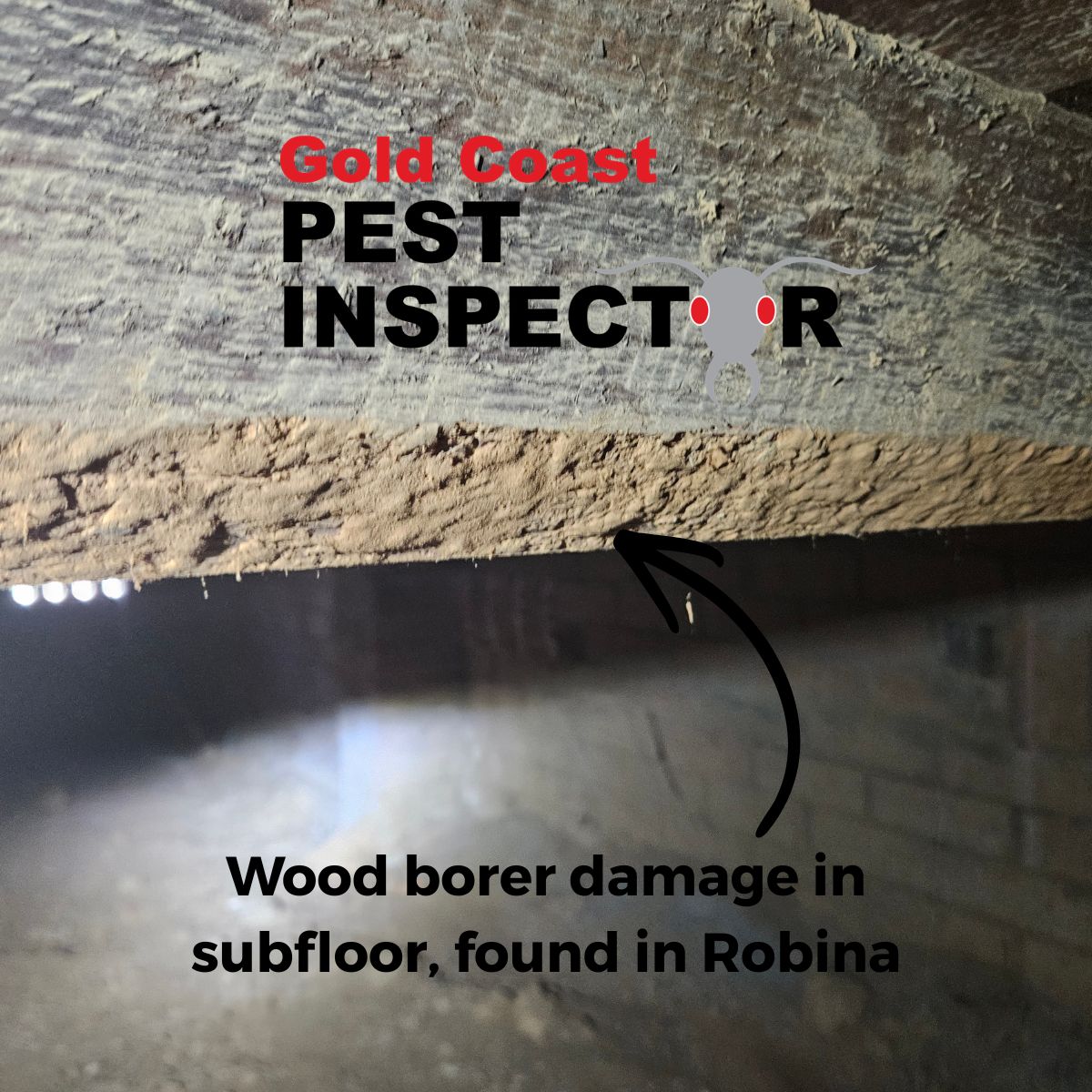
Read the full Robina wood borer case study →
If you’re buying a property on the Gold Coast, don’t rely on a building inspector’s pest report. Get a dedicated pest inspection from someone who will crawl into the sub-floor, get into the roof void, and check properly.
I’ve been doing this for years. I find what others miss.
Call Richard on 0406 865 935 or use the contact form below to book your inspection.