
● Licensed QLD & NSW · 20+ years

Termite inspection Gold Coast

On the Gold Coast termite inspections are a must. When you buy a property, it is the only way to know you’re not inheriting massive repair bills.

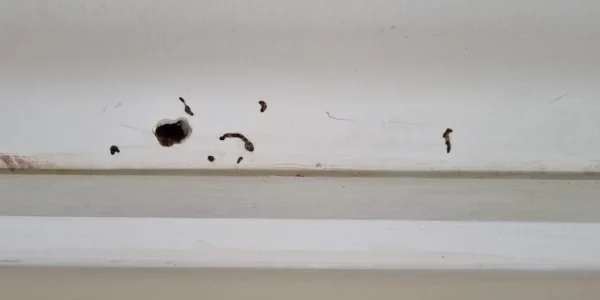
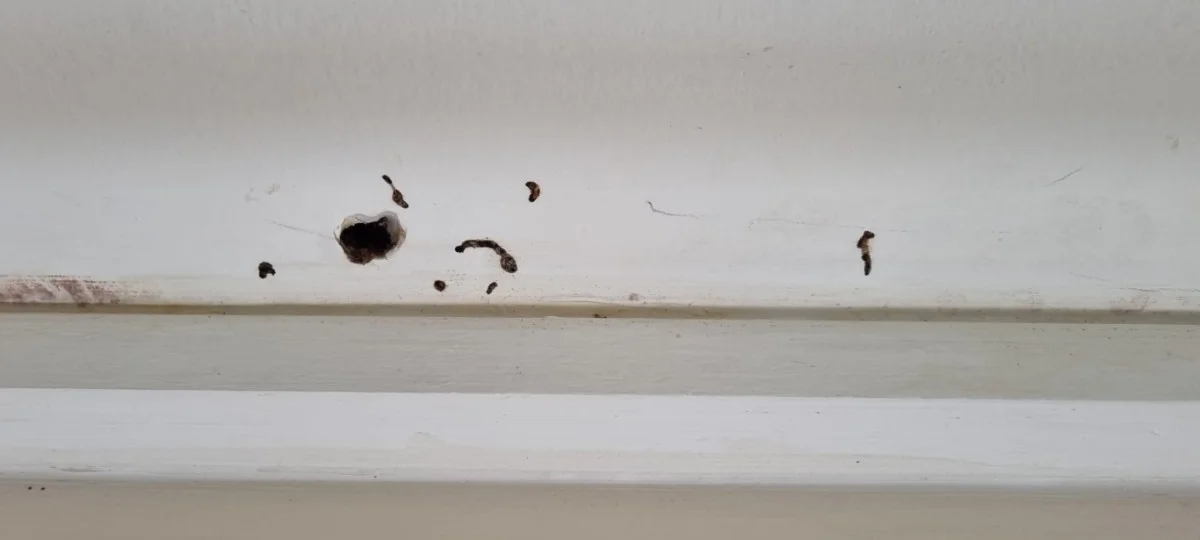
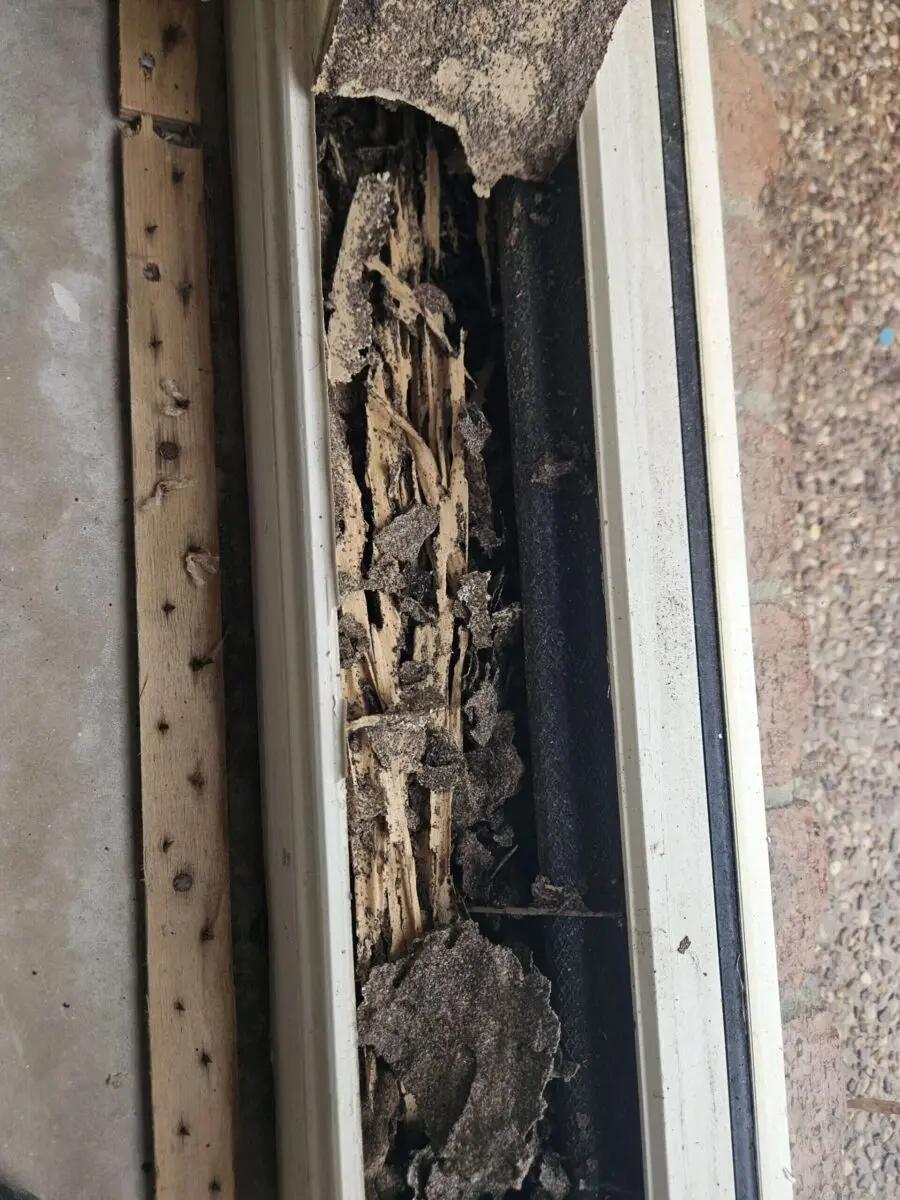
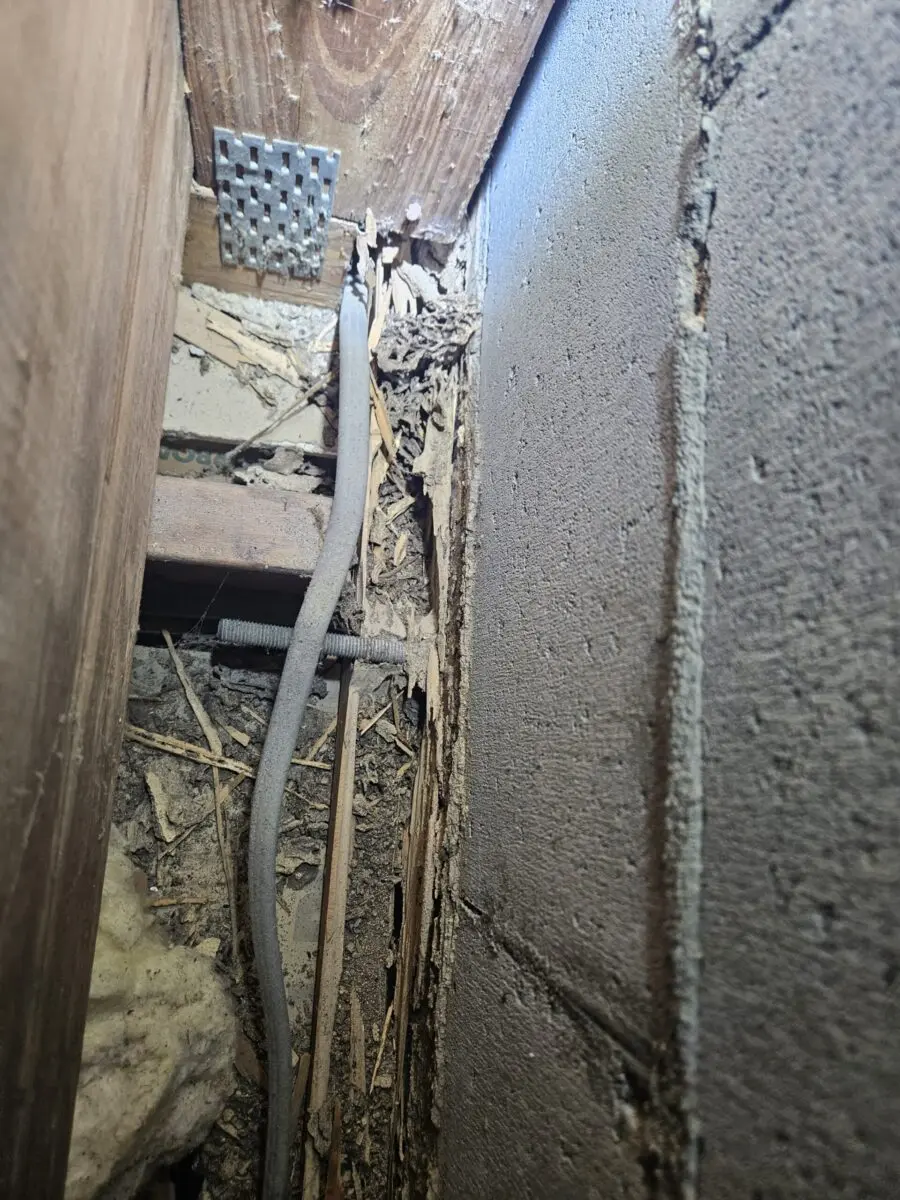
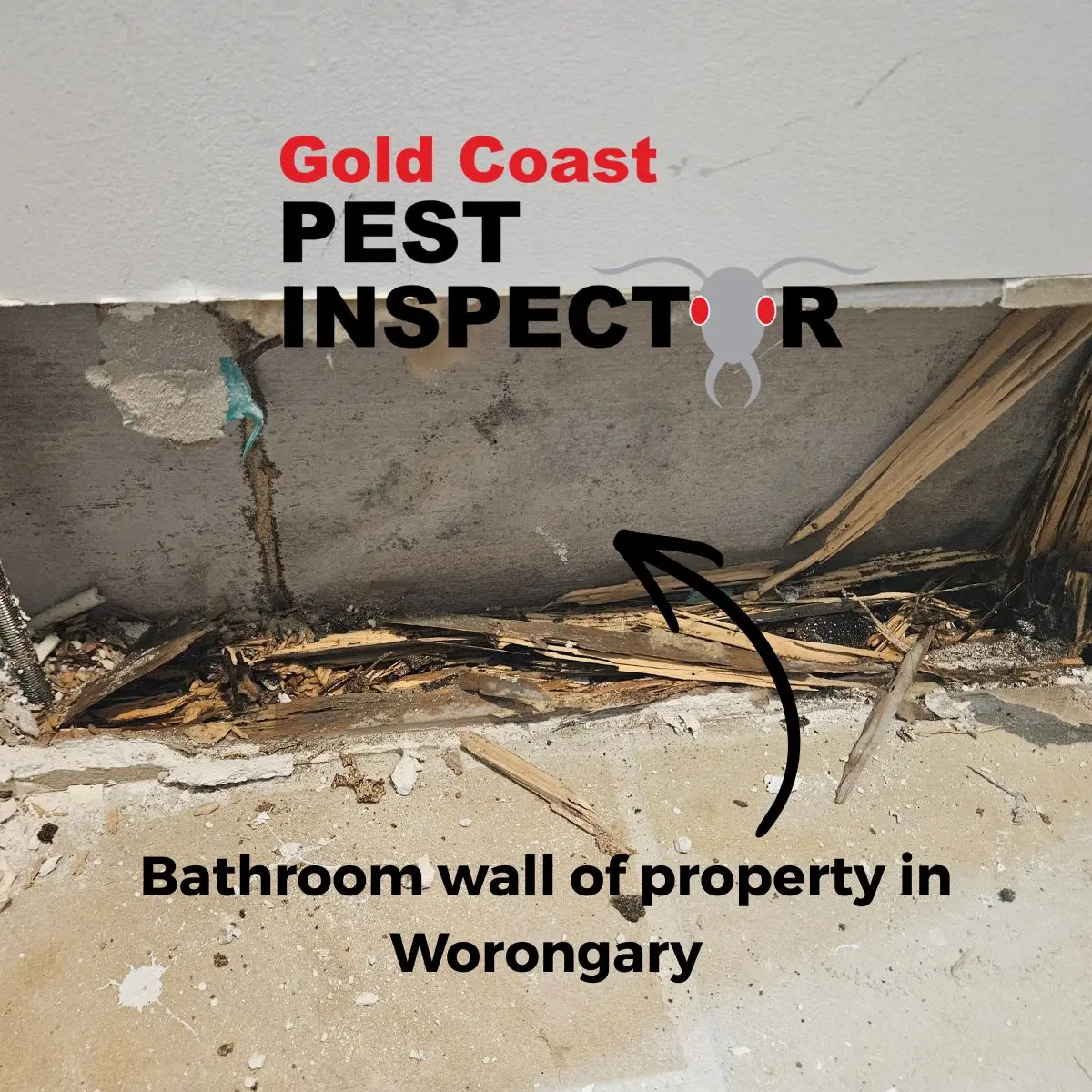
termite evidence another pest inspector missed
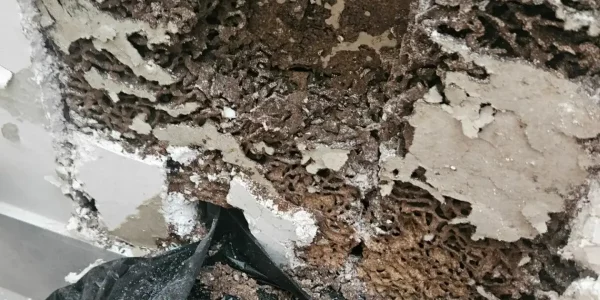
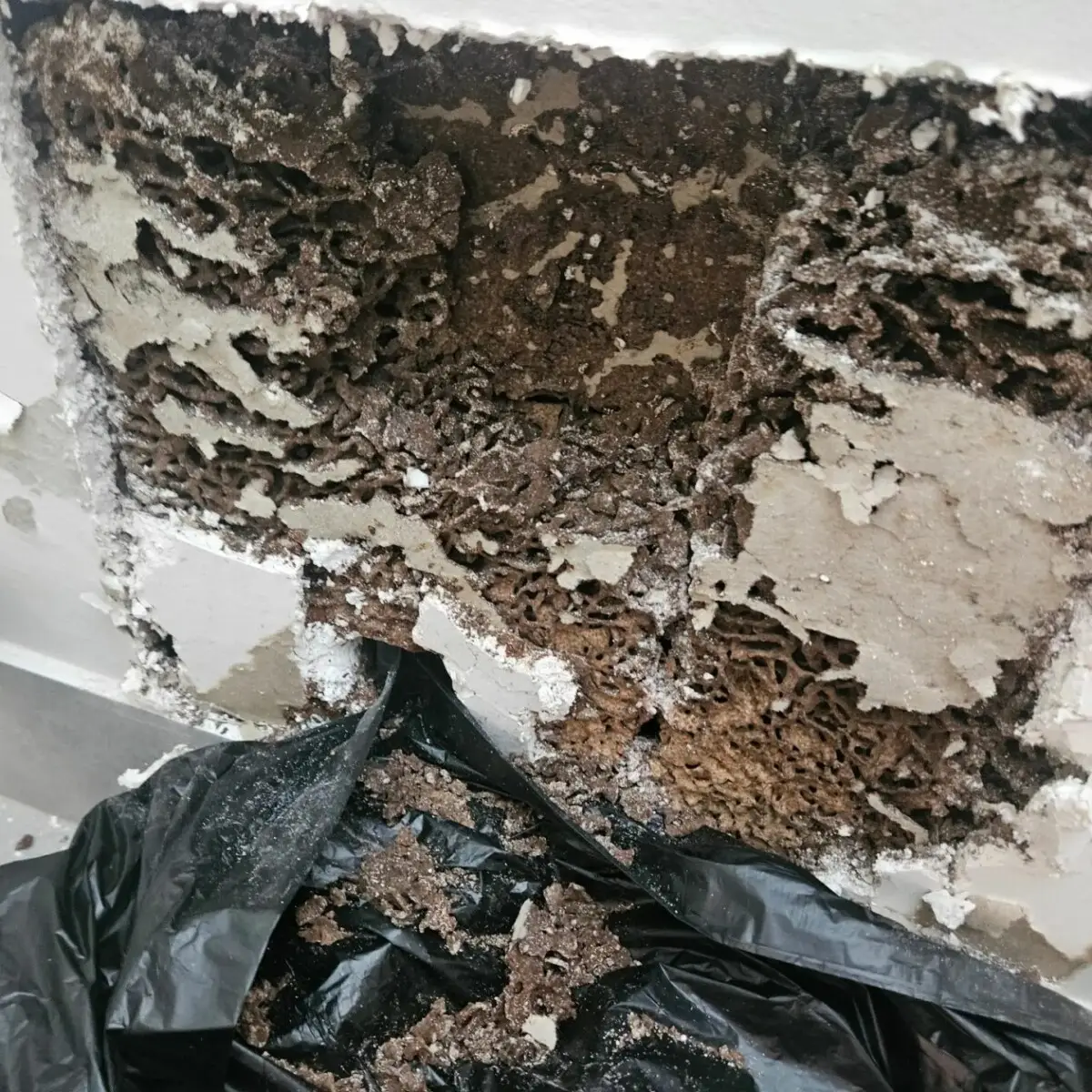
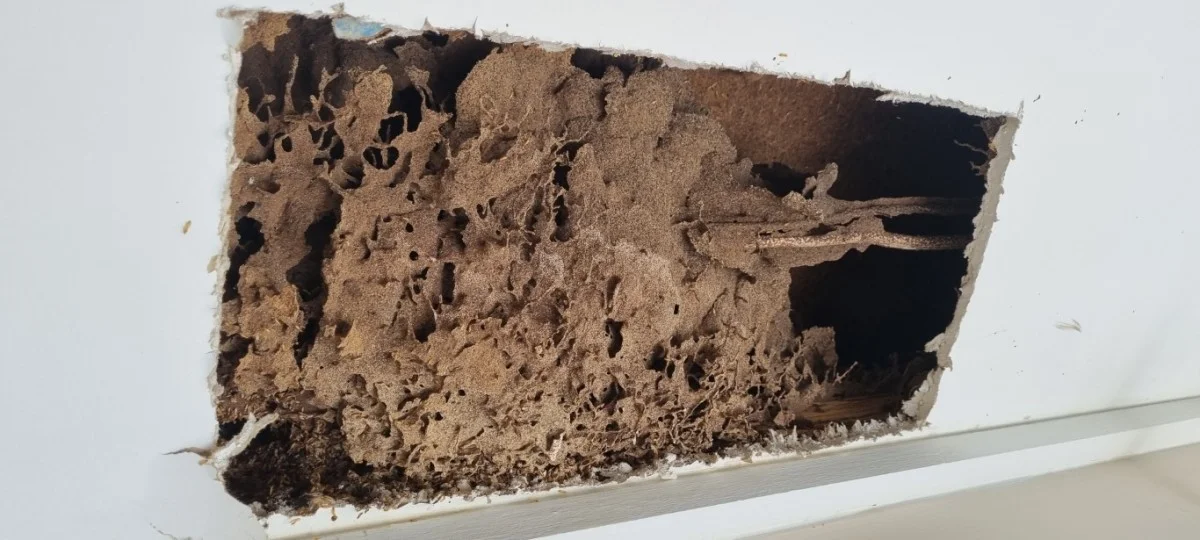
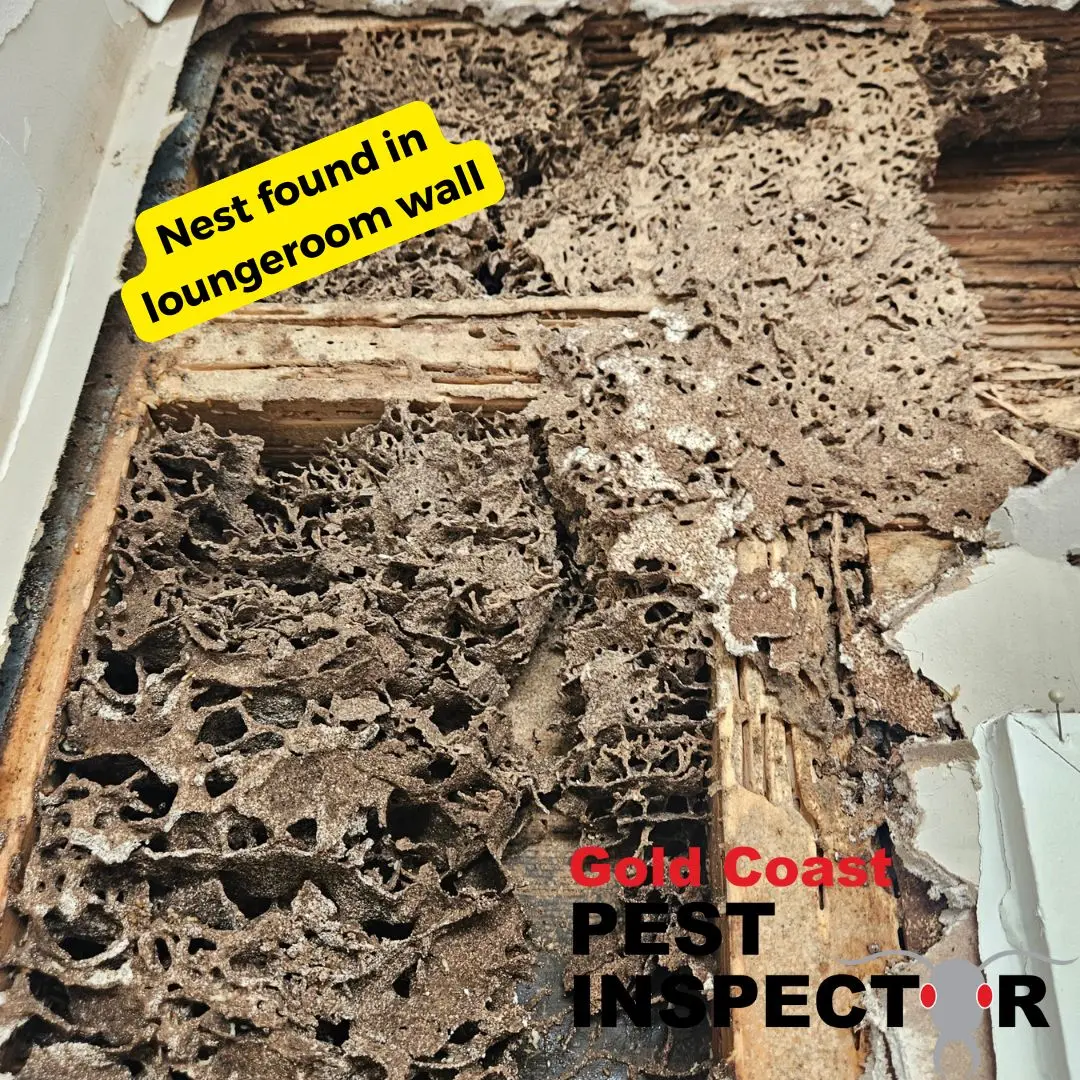
termite nest in a wall

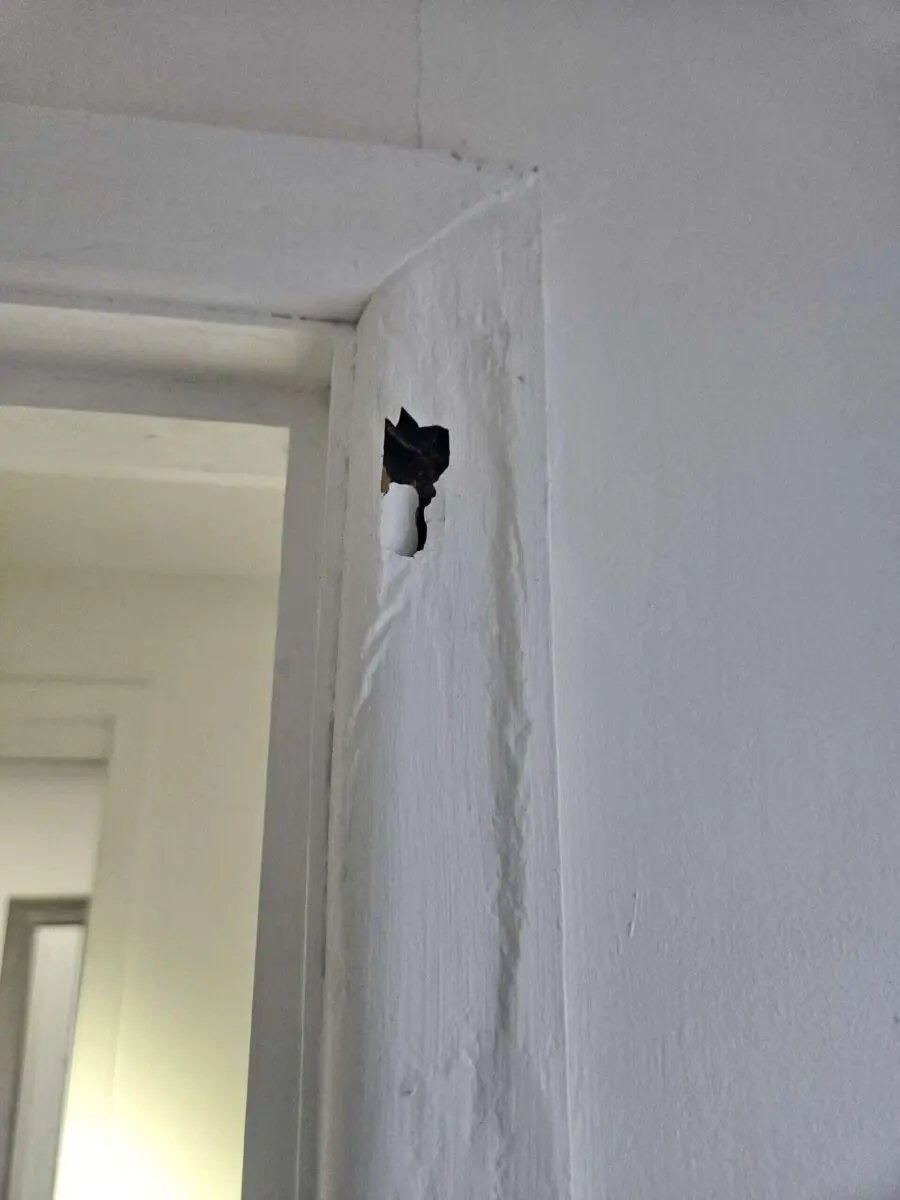
Active termites in a Worongary home. Marked down as “a bit of dirt” by another inspector two months earlier. Turned out these spots were hiding a massive termite nest. 

20+
Years experience
20,000+
Inspections
QLD & NSW
Fully licensed
Gold Coast & Tweed
Service area
— Why choose Richard Eedy

He leaves termites nowhere to hide

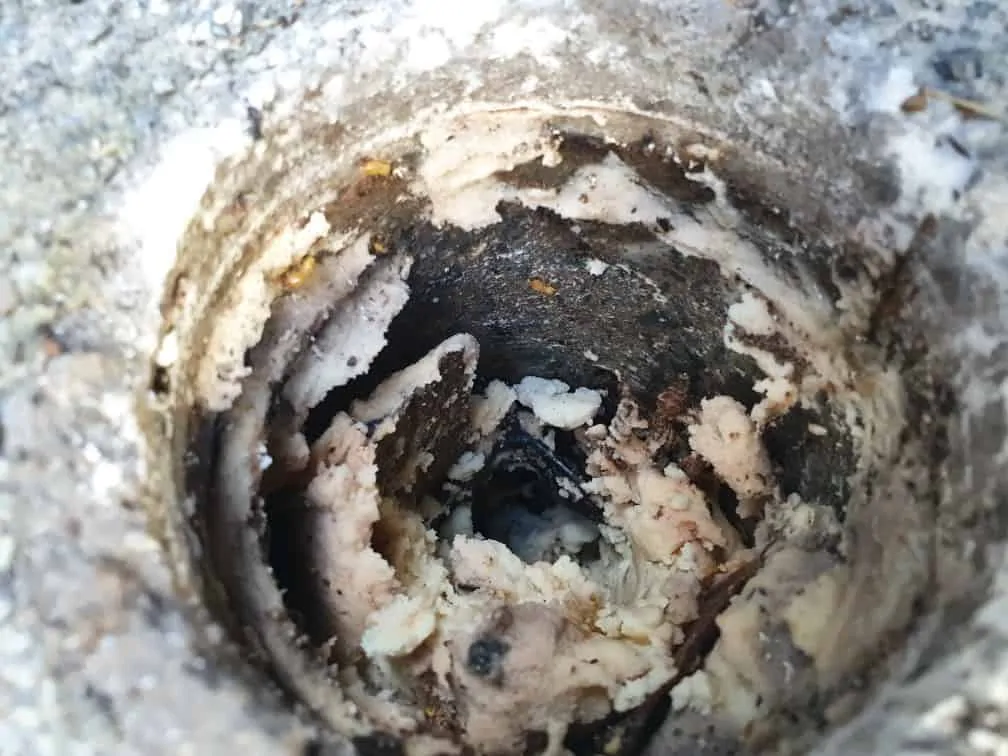
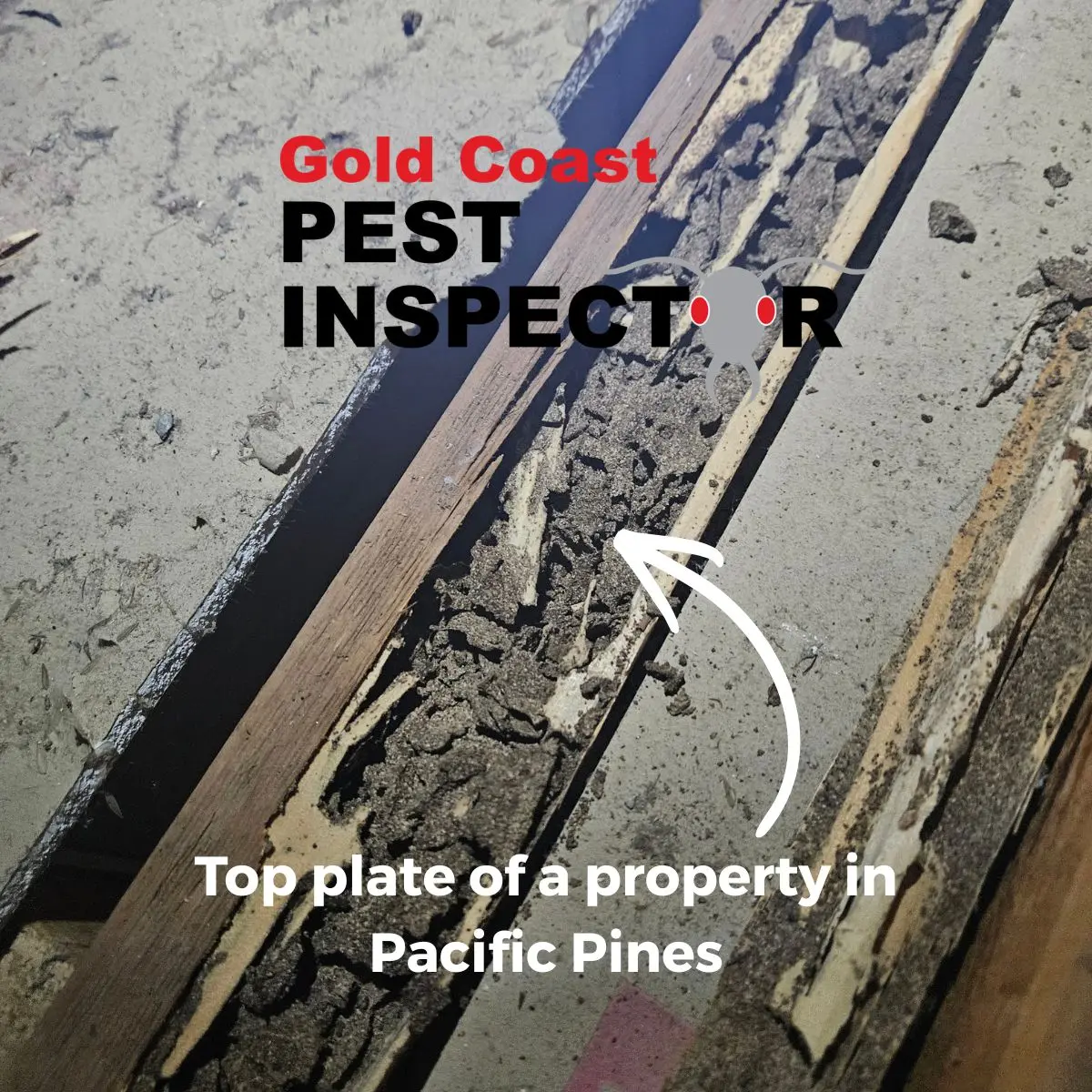
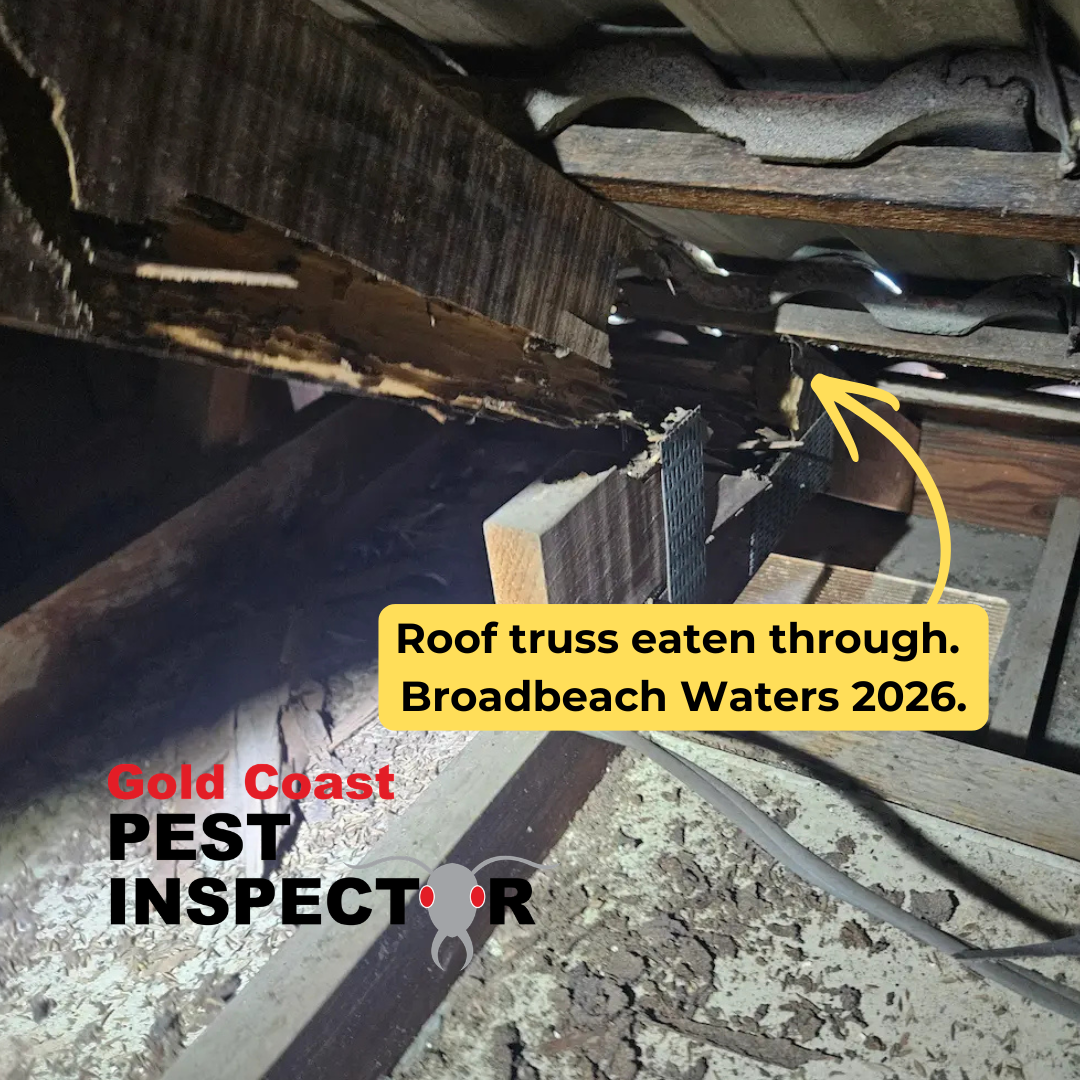
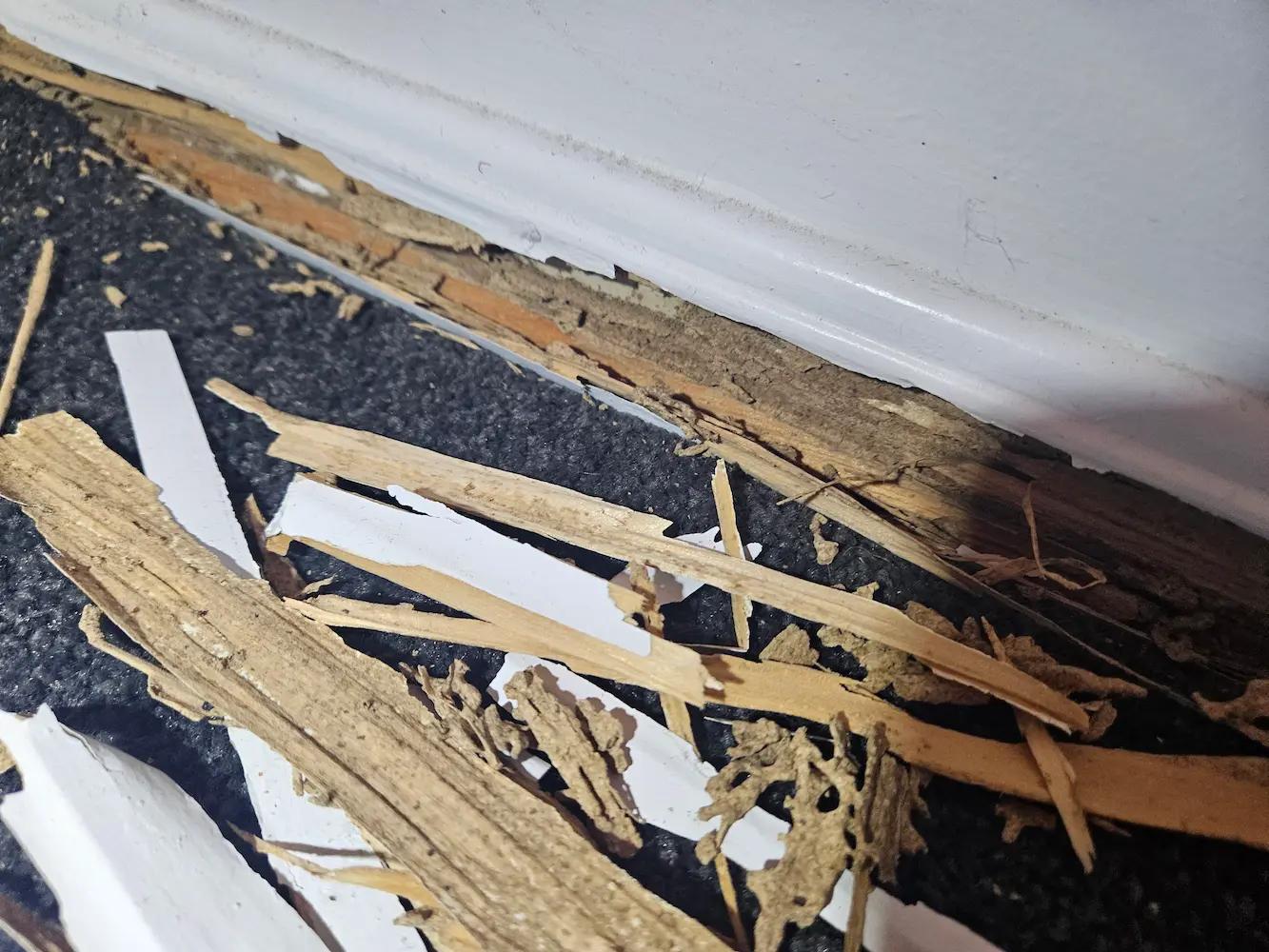
Every week Richard finds evidence of termites another inspector walked past. Coomera, Ashmore, Broadbeach, Robina…activity where someone else saw none.

He’s documented termite damage in Currumbin, Reedy Creek, Worongary, Pacific Pines, Pimpama and probably every other suburb you can name.

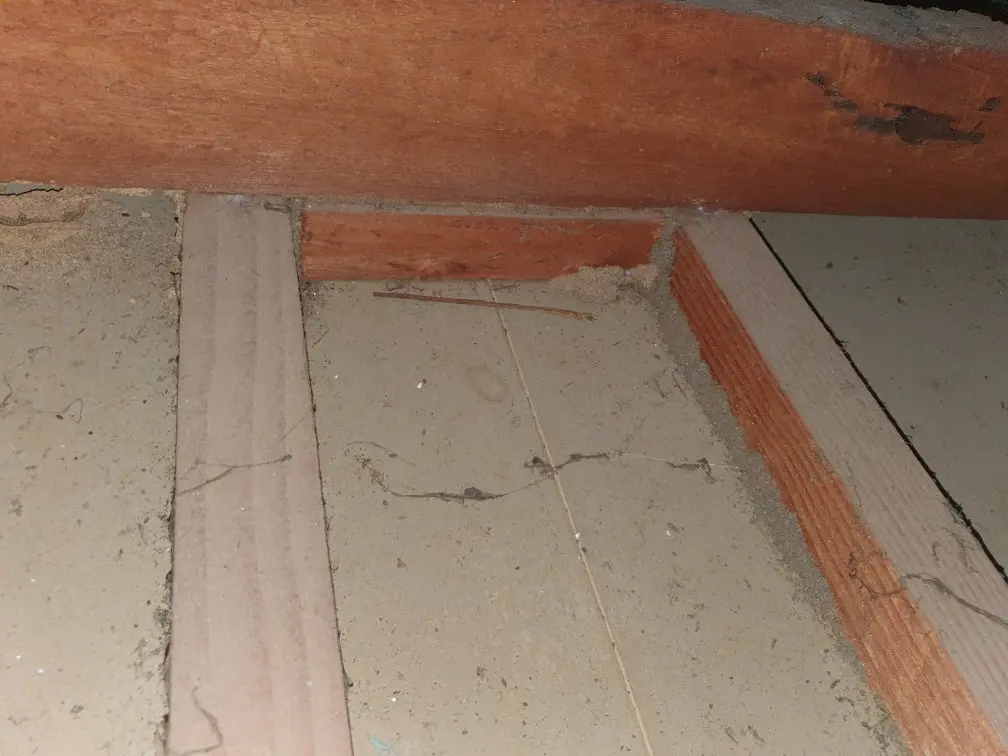
That is not luck. He hunts them. He crawls roof spaces, gets under floors, peers into the nooks and crannies nobody else bothers with and he goes there on every job, not just the ones that look suspicious.

Inspections are carried out to AS 3660.2, the Australian Standard governing termite management for existing buildings, and documented with photographs, moisture readings and thermal imaging.

“Mate, you are a termite.”
Mark Woods, friend and colleague, on Richard's instinct for finding them.
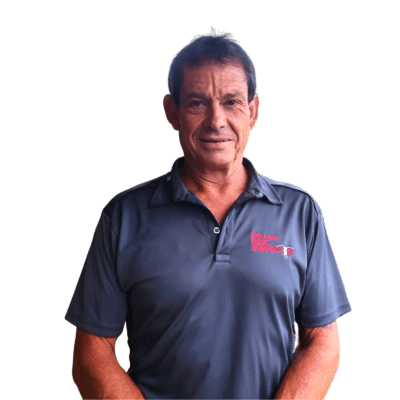
Richard Eedy, Gold Coast Pest Inspector
— What Richard inspects

Everywhere a termite can get in

Every accessible area, inside and out, using AS 4349.3 equipment (Termatrac “termite radar” and imaging), decades of knowledge and instinct.

If you already own your home, regular inspections keep it safe from termites.

Internal and external

Every room, every wall line, and the full perimeter of the building, including the joints and expansion gaps termites use to get inside.

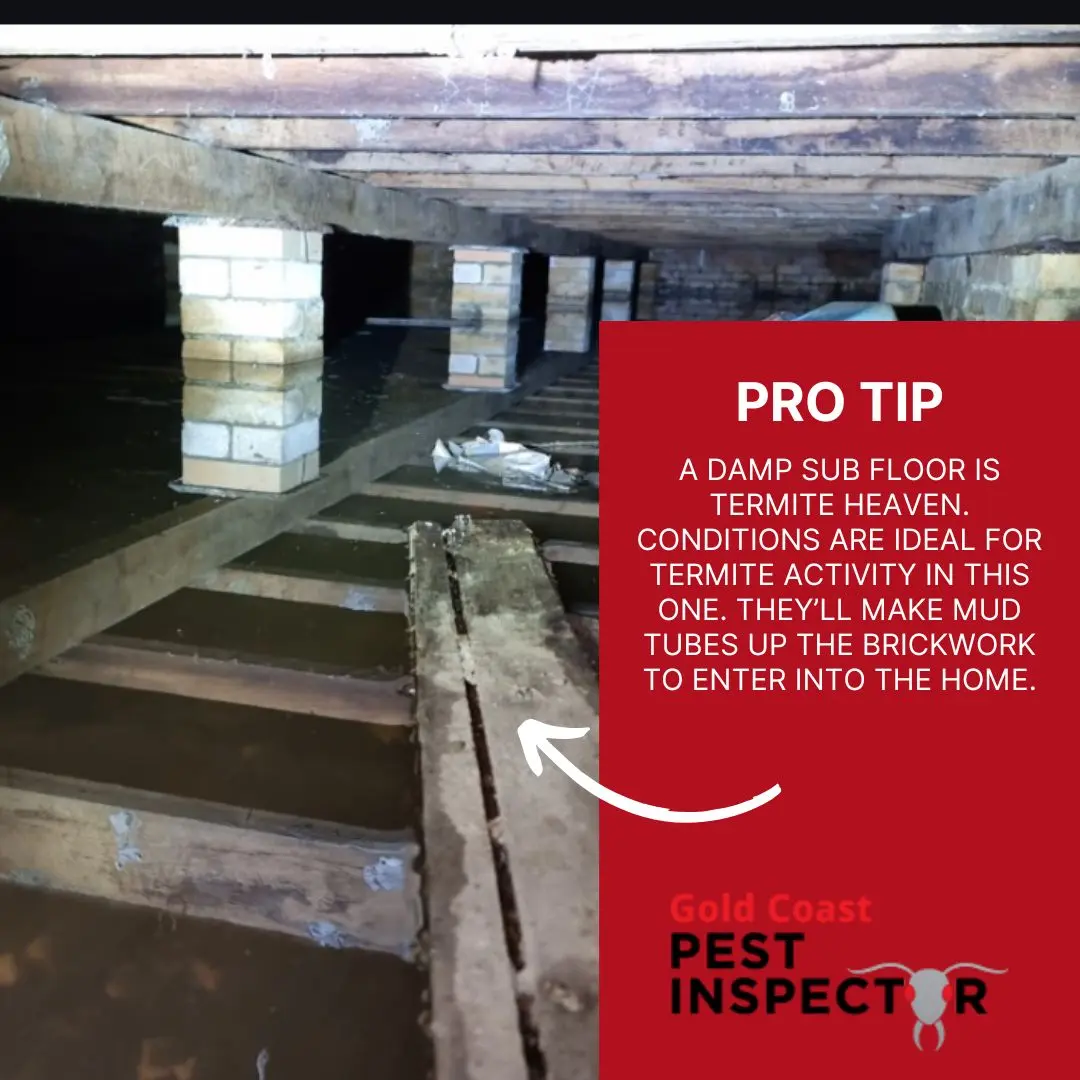
Roof voids and subfloors

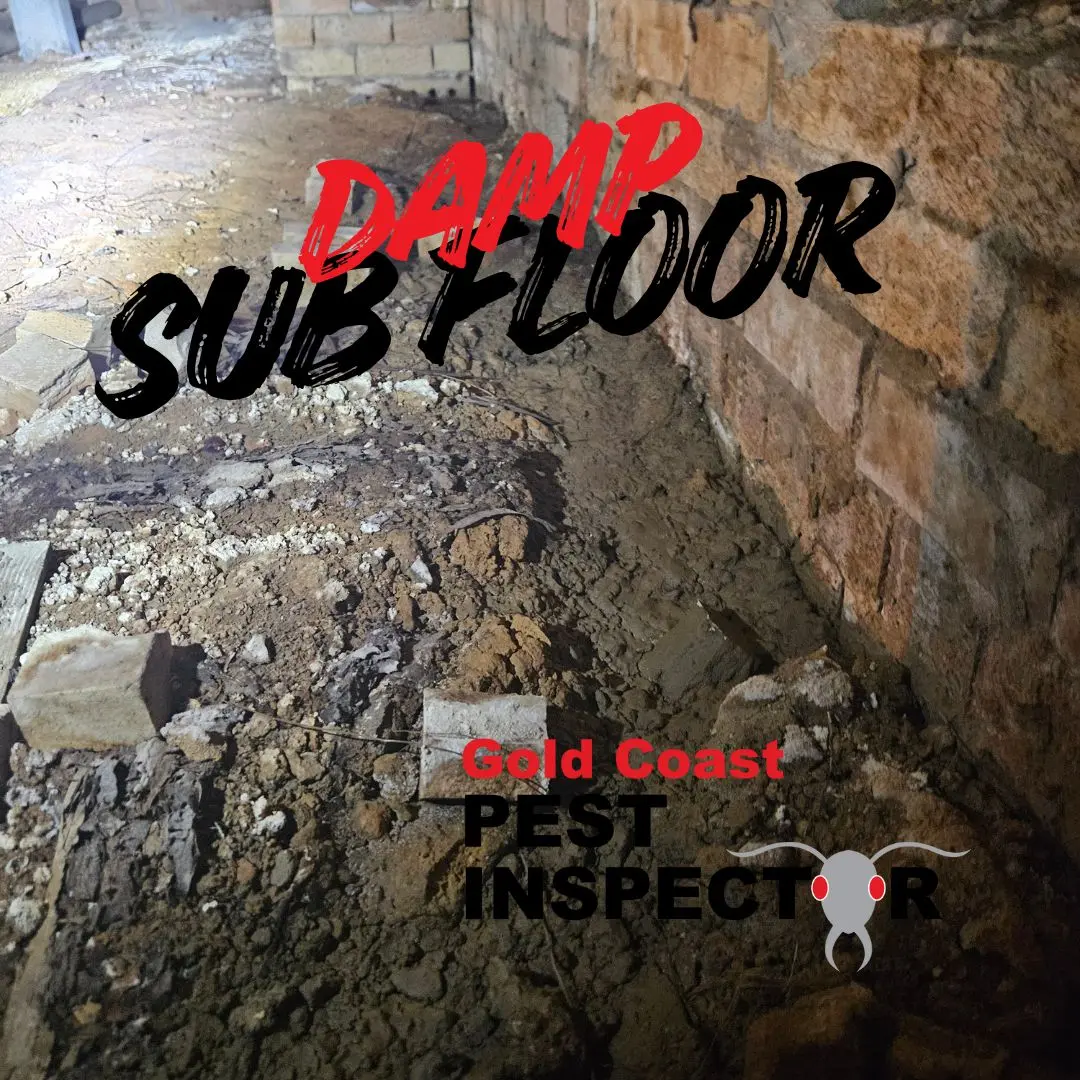
Decks included. No matter how tight the access is, Richard gets in there, it is where the termite evidence usually hides.

Fences

Timber fences are often the first place termites show themselves. They are the boundary of your property, so they get checked.

Retaining walls

Dirt and timber in direct contact, one of the most common places on a Gold Coast block to find activity.

Trees, stumps and garden beds

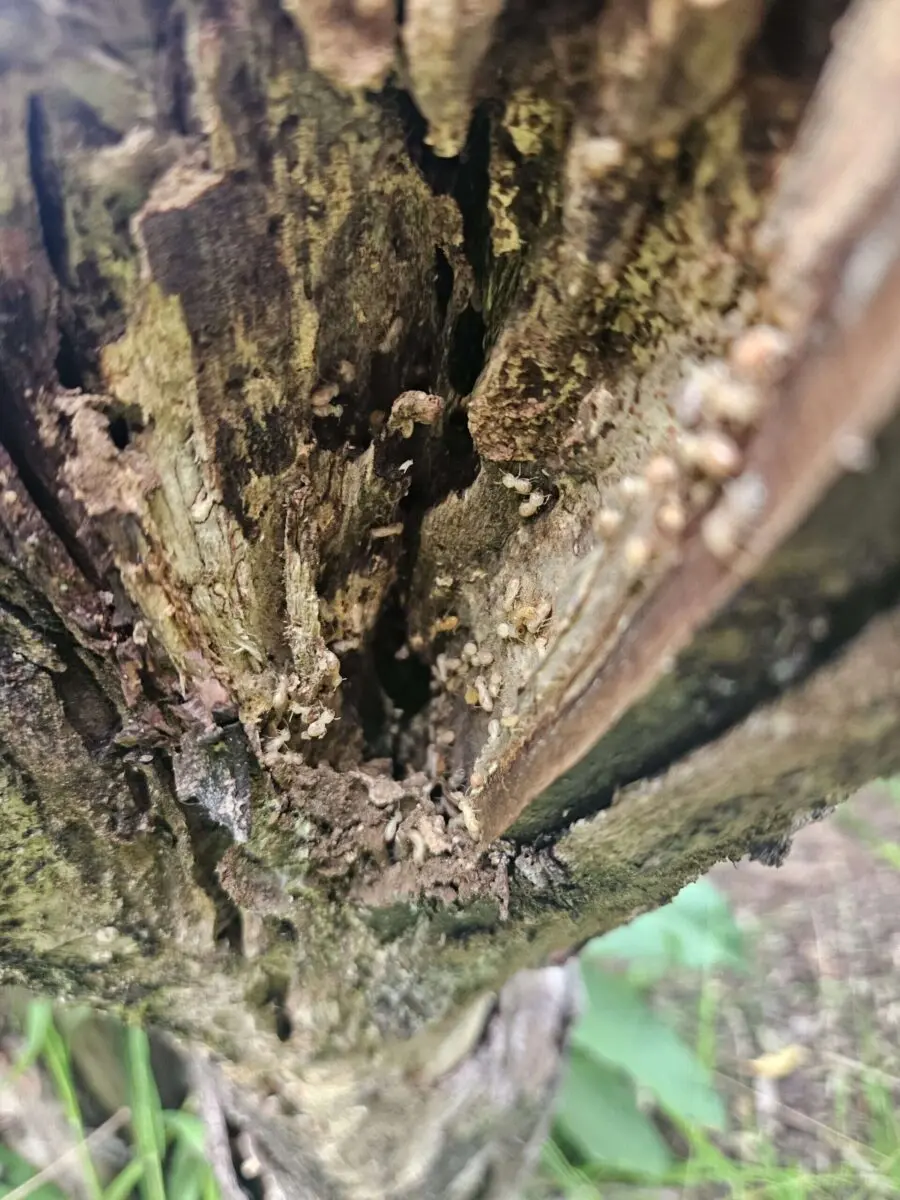
If there is a colony on your property you need to know about it, even when it is not in the house yet.

Outbuildings

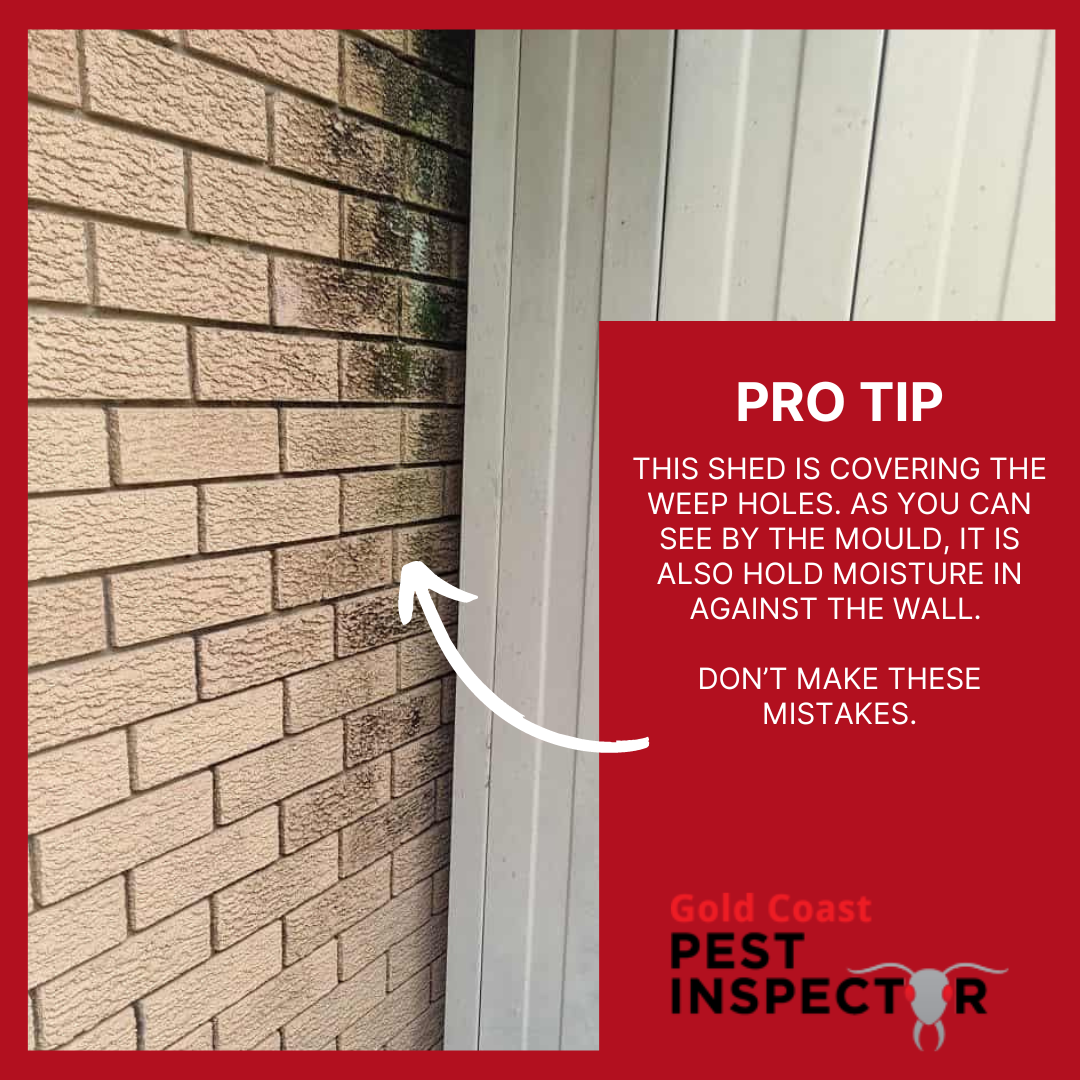
Sheds and storage, where stuff piles up against timber and stays damp, good conditions for termites to thrive.

— Is your home at risk?

Worse than fire, flood and storms combined

Termites cost Australians about $4 billion a year, averaging $10,000 a home. Your building insurance usually does not cover a cent of it. And on the Gold Coast the warm climate and damp soil make it a question of when, not if.

Brick homes are no safer. Termites live in the ground and enter through cracks and expansion joints, heading for the timber frame. They will chew through plastic, rubber, metal and mortar to get to it, damage that shows up in an inspection long before it shows up in your living room.

$4B
Damage a year, nationally
$10K
Average repair bill
$0
Covered by insurance
1 a year
Minimum inspection interval
— Detect first, then protect

Thermal imaging, radar and moisture meters

Termatrac and thermal imaging find heat and movement behind a wall.

Moisture is essential to life, including termites. Find moisture and you can find termites.

Heat from digestion. Mudding brings moisture and digestion gives off heat. A colony inside a cavity gives itself away by their heat signature. 

Movement should not be present behind your walls. If it’s moving behind your walls it shouldn’t be there. The Termatrac peers inside the wall cavity to detect the tiny movements of insects (yeah we see you, termites).

If termites are found, Richard will talk you through treatment on the spot. For total protection he recommends Trelona® ATBS, BASF’s advanced termite baiting system.

An experienced and fully trained operator like Richard understands the equipment: the tools are not the holy grail, experience is.

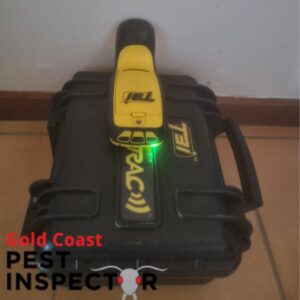
Termatrac T3i detection device

Termatrac T3i

Part radar, part moisture meter, it detects moisture, movement and temperature inside a wall cavity without opening it up.
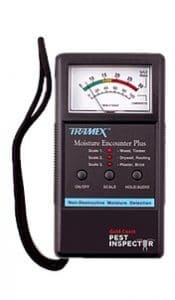
Moisture meter

Moisture meter

Finds leaks and damp in walls, floors and ceilings, conditions termites look for. This has been superseded by the Termatrac. In the past it was a staple termite inspection tool.

— How it works

Three steps, one phone call

Getting your local termite inspector through the property is easy.

01

Book an inspection

Fill in the form below with the day that suits you, or just call. Richard will get back to you to confirm the details.

02

Inspection day

A thorough inspection of the whole property (roof void, subfloor, perimeter, fences and grounds) with moisture detection and Termatrac and Richard’s doggedness.

03

Report and a briefing

A detailed report with photographs, plus a call from Richard: what he found, what it means, and how to lower the risk from here.

— Before you book anyone

Three questions worth asking first

A week doesn’t go by without Richard finding signs of termites on a property somebody else already inspected, sometimes tens of thousands of dollars’ worth, weeks after settlement.

Did your agent recommend the inspector?

Your agent is very likely a good person. They also have a commission riding on the sale, and no interest in a negative report. We constantly see agent-recommended inspectors who fail to find obvious signs. Engage someone who can prove their bona fides.

Is the inspector highly rated?

Any good inspector has clients who say so in public. Richard holds a solid five-star average in Google Reviews and gets recommended by name on Facebook, week in and week out.

Do they have the years behind them?

Decades of inspections teach you where termites hide. Richard was featured on Gold Coast 7 News for identifying the Darwin super termite at Tallai, a find most inspectors would never make.

“That is the best money I’ve ever spent.”
A client was handed a past pest inspection report by the sales agent, then booked Richard anyway, just as a precaution. The home was so full of termites it was not worth buying.
— Termite inspection FAQ

The questions homeowners ask

Something not covered here? Call Richard on 0406 865 935. Quotes and questions are free.

Do you use thermal imaging scanners during the inspection?

Yes we do. In fact we use something much better. We use the Termatrac “termite radar”. Its features include:

  • Thermal Imaging Camera
  • Radar Motion Sensor
  • Moisture Relative and Direct Sensor
  • Temperature Sensor 

Australian Standards recommend at least once a year. In a high-risk area like the Gold Coast, or before a purchase, twice a year is the wiser call.

All accessible areas, inside and out: roof voids, subfloors, decks, pergolas, fences, retaining walls, outbuildings and timber in the grounds — with moisture meters, thermal imaging and motion detection for the signs you cannot see.

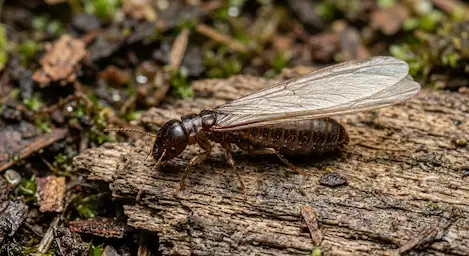
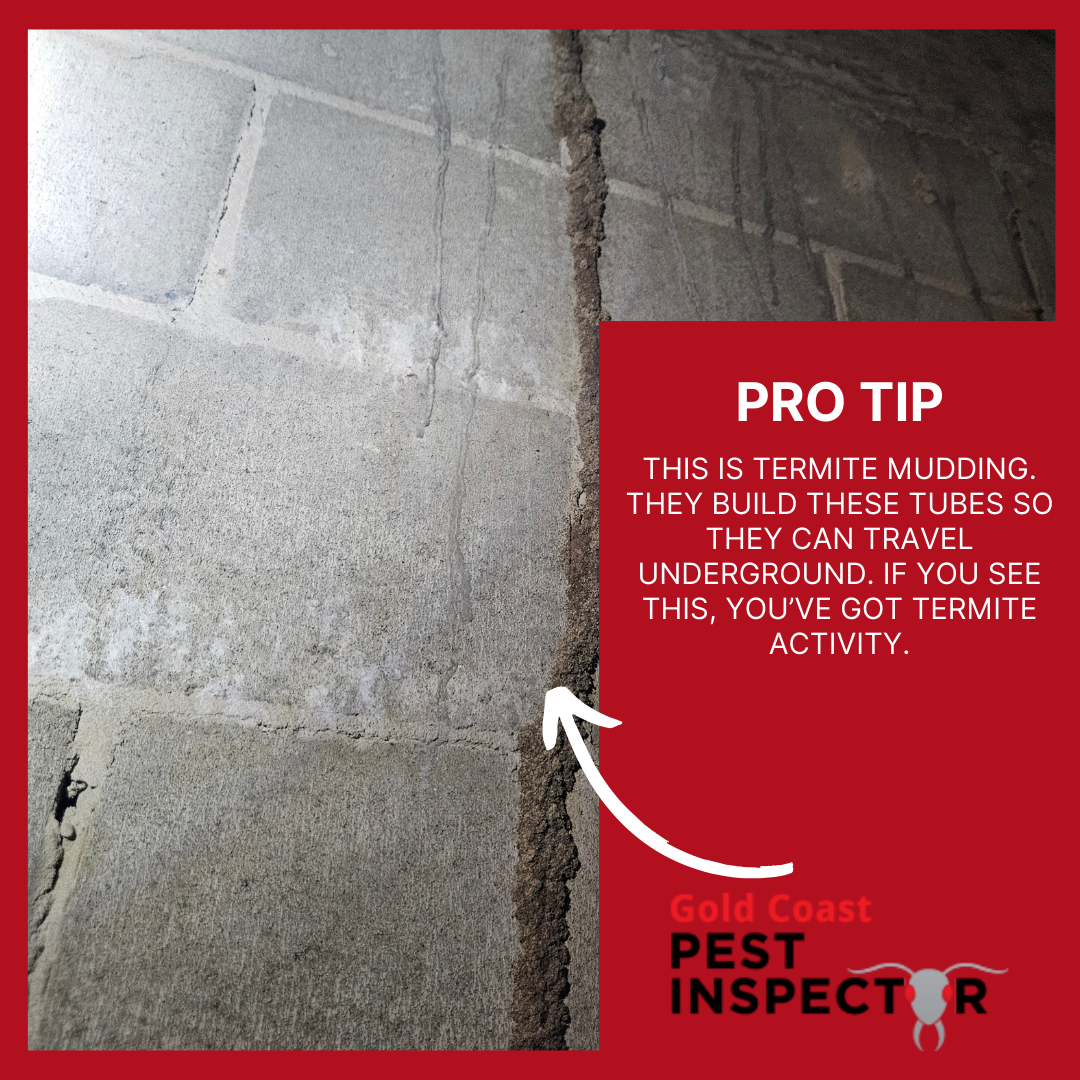
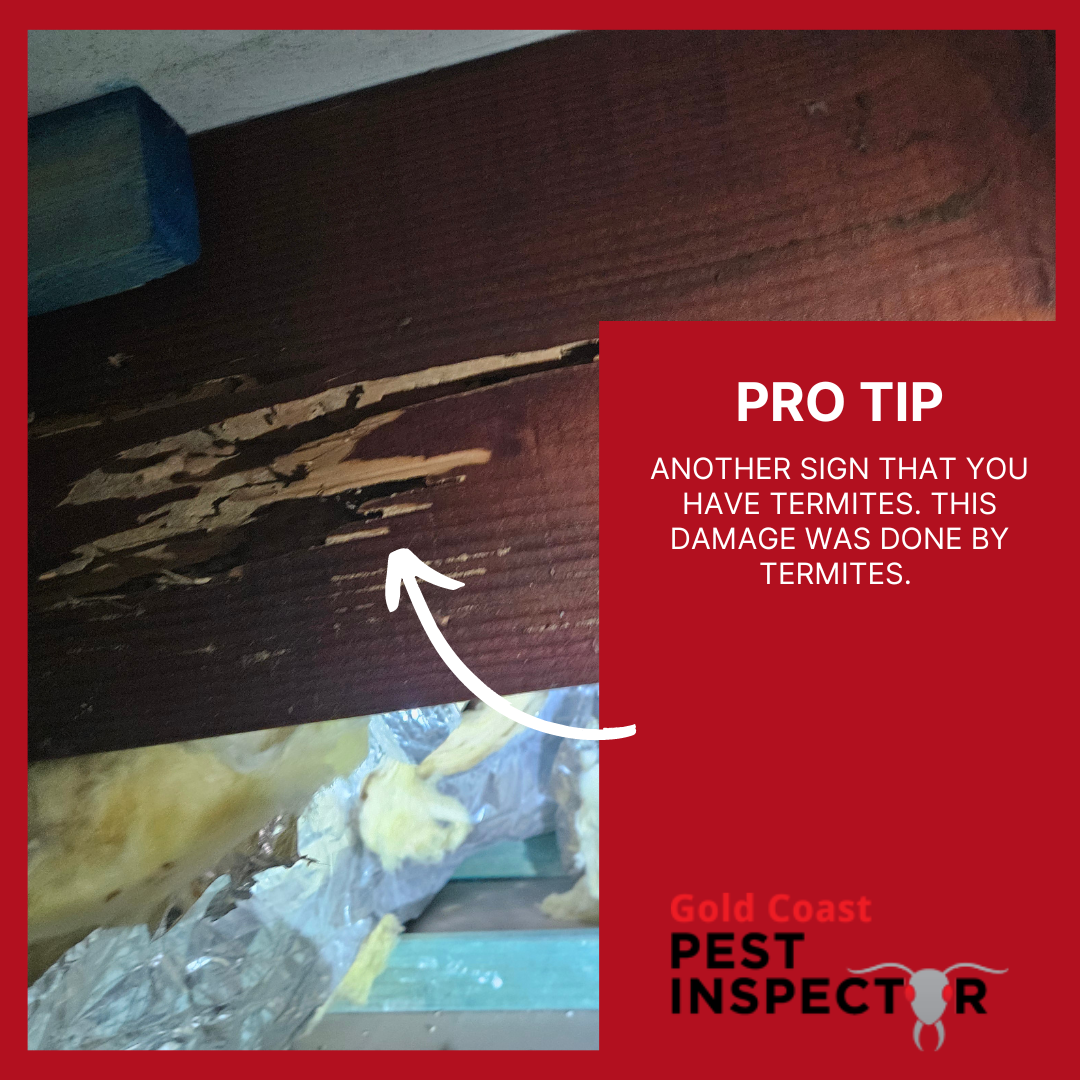
Mud tubes running up walls, hollow-sounding timber, discarded wings on a sill, buckling wood or cracked paint, and unexplained damp or heat behind a wall.

Yes. Termites reach timber frames, window sills and structural elements through damp areas and small gaps. Brick offers no protection at all.

You get a detailed report with photographs — findings, damage assessment and recommendations — and Richard talks you through it. If treatment is needed, baiting options are discussed then.

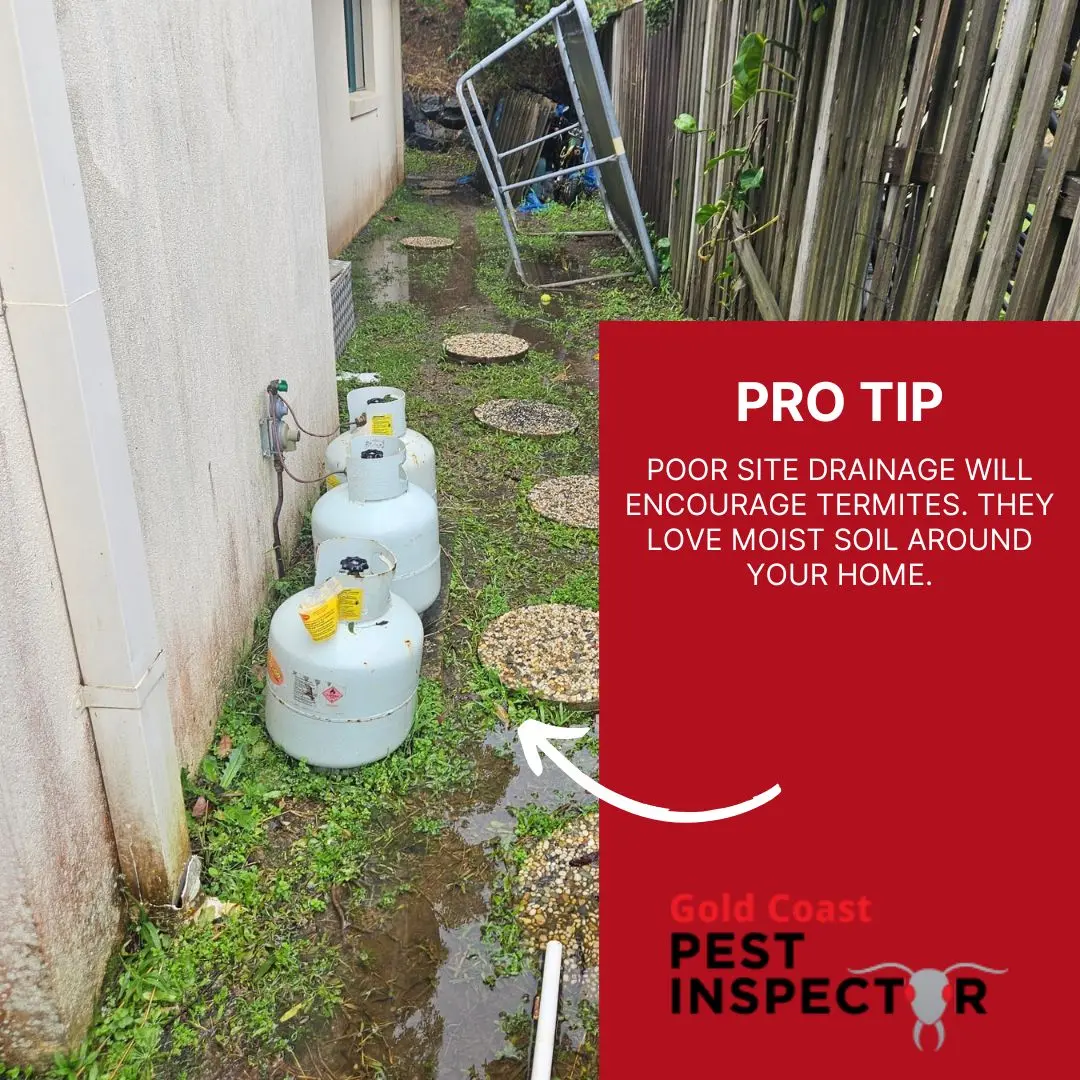
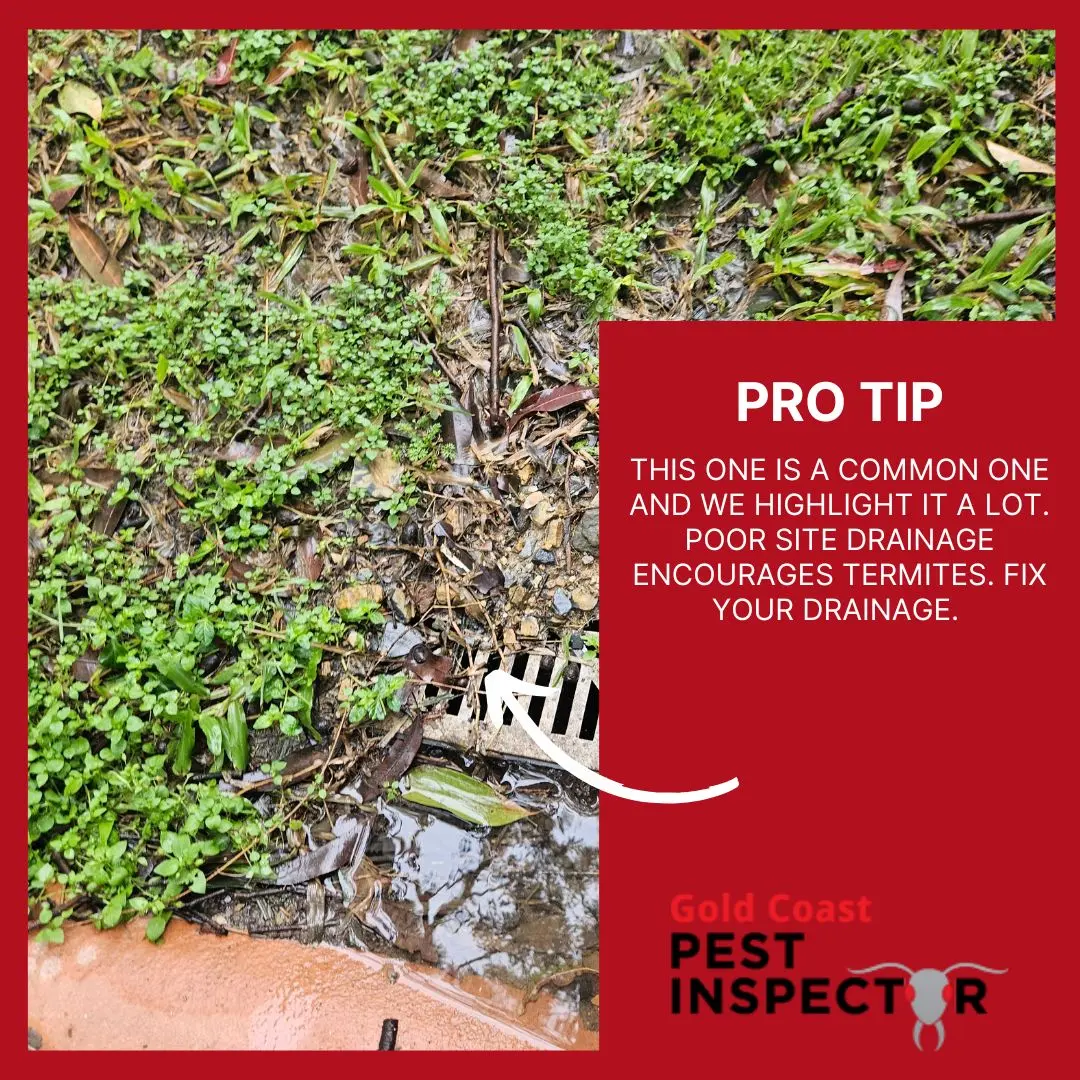
Fix leaks and improve ventilation, keep mulch, firewood and garden beds away from the walls, remove wood-to-soil contact, seal cracks, maintain gutters and drainage — then bait and inspect on schedule.

Termite damage in Australia tops $4 billion a year and averages about $10,000 a home. An inspection costs a few hundred dollars.

— Ready to book?

Get peace of mind

Quotes on termite inspections are free. Richard services the whole coast and Tweed Heads, and will usually get back to you the same day.

Mon–Fri 8am–5pm · Sat 8am–12pm

Gold Coast, Tweed Heads and northern NSW

QLD PMTO 14939 · NSW 5072904 · QBCC 15044661

Request a free quote

Tell Richard where the property is and what you have seen.